
Tips for Creating a Sustainable Home Garden Throughout the Year
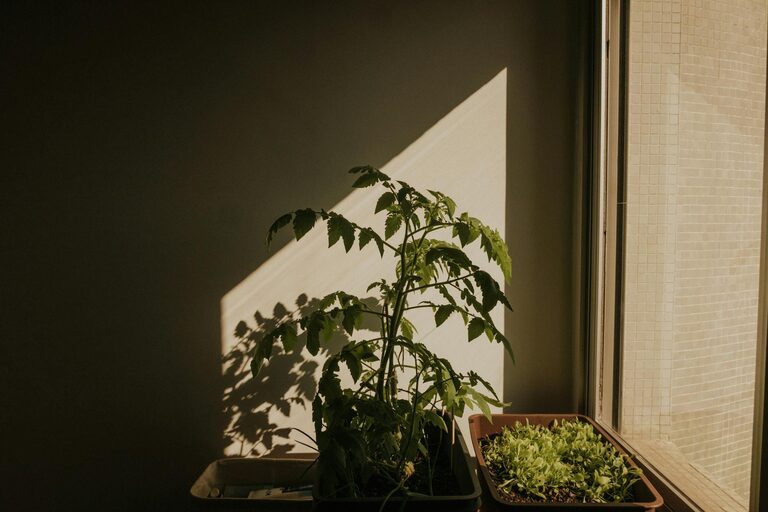
Creating a sustainable home garden is a rewarding way to connect with nature while reducing your environmental footprint. With a thoughtful approach, you can enjoy fresh produce, beautiful blooms, and healthy soil throughout the year. Below, we explore effective strategies to develop and maintain a sustainable garden no matter the season.
Understanding Sustainability in Gardening
Sustainability in gardening means using resources wisely and designing your garden to minimise waste, conserve water, and support local ecosystems. It involves practices that nurture the soil, protect plants, and promote biodiversity. This approach helps your garden flourish long-term without relying heavily on chemical inputs or excessive energy use.
Plan Your Garden According to Season and Space
Choose the Right Plants
Selecting plants suited to your local climate and soil type is essential. Native plants often require less water and are more resistant to local pests. Incorporate a mix of perennials and annuals to keep your garden productive all year.
– Spring: Plant early vegetables like lettuce, radishes, and peas.
– Summer: Grow tomatoes, peppers, beans, and herbs.
– Autumn: Opt for brassicas, root vegetables, and leafy greens.
– Winter: Consider hardy crops such as kale, leeks, and spinach.
Optimise Your Garden Layout
Organise plants based on their sun and water needs. Grouping plants with similar requirements reduces water use and simplifies care. Consider companion planting to protect crops naturally and improve yields.
Soil Care for a Thriving Garden
Healthy soil is the foundation of sustainability. Practice these techniques to improve and maintain soil fertility:
– Composting: Turn kitchen scraps and garden waste into nutrient-rich compost to nourish plants.
– Mulching: Use organic mulch like wood chips or straw to retain moisture, suppress weeds, and add organic matter.
– Crop Rotation: Change the location of plant families yearly to prevent nutrient depletion and reduce pests.
– Avoid Chemicals: Limit or avoid synthetic fertilisers and pesticides which can harm beneficial organisms.
Water Conservation Strategies
Water is a precious resource, so efficient use is crucial.
– Rainwater Harvesting: Collect rainwater in barrels to use for watering plants.
– Drip Irrigation: Install drip systems or soaker hoses for direct, slow watering at the roots.
– Watering Timing: Water your garden early in the morning or late evening to minimise evaporation.
– Drought-Resistant Plants: Include species that thrive with less water.
Encouraging Biodiversity
A diverse garden supports a balance of insects, birds, and other wildlife, helping to control pests naturally.
– Provide flowering plants throughout the seasons to feed pollinators like bees and butterflies.
– Include a water feature or small pond to attract beneficial amphibians.
– Avoid pesticides that can harm non-target creatures.
– Plant hedgerows or leave some areas wild to offer shelter and nesting sites.
Extending the Growing Season
Sustainable gardening also means making the most of your growing opportunities.
– Use cloches, cold frames, or polytunnels to protect plants from frost and extend productivity.
– Sow seeds indoors early to transplant when conditions improve.
– Grow salad leaves or herbs in containers indoors during winter.
Reducing Waste and Reusing Materials
Minimise waste by reusing garden materials whenever possible.
– Repurpose old pots, wooden pallets, or containers as planters.
– Create your own plant supports from natural materials.
– Save seeds from mature plants to use for future sowing.
Maintenance Tips for Long-Term Success
– Regularly check plants for signs of pests or disease and address issues promptly.
– Prune to encourage healthy growth and improve air circulation.
– Keep paths mulched to prevent weeds.
– Monitor soil moisture and adjust watering accordingly.
Conclusion
Developing a sustainable home garden throughout the year is achievable with careful planning and eco-friendly practices. By focusing on native plants, healthy soil, water conservation, and biodiversity, you can create a vibrant garden that benefits both you and the environment. Start small, observe your garden’s needs, and enjoy the rewards of an environmentally responsible gardening lifestyle.
Remember, sustainability is a journey, so be patient and adaptable as you grow your green space. Happy gardening!